
Strengthening Equality and Social Inclusion, Unram Holds GEDSI Seminar
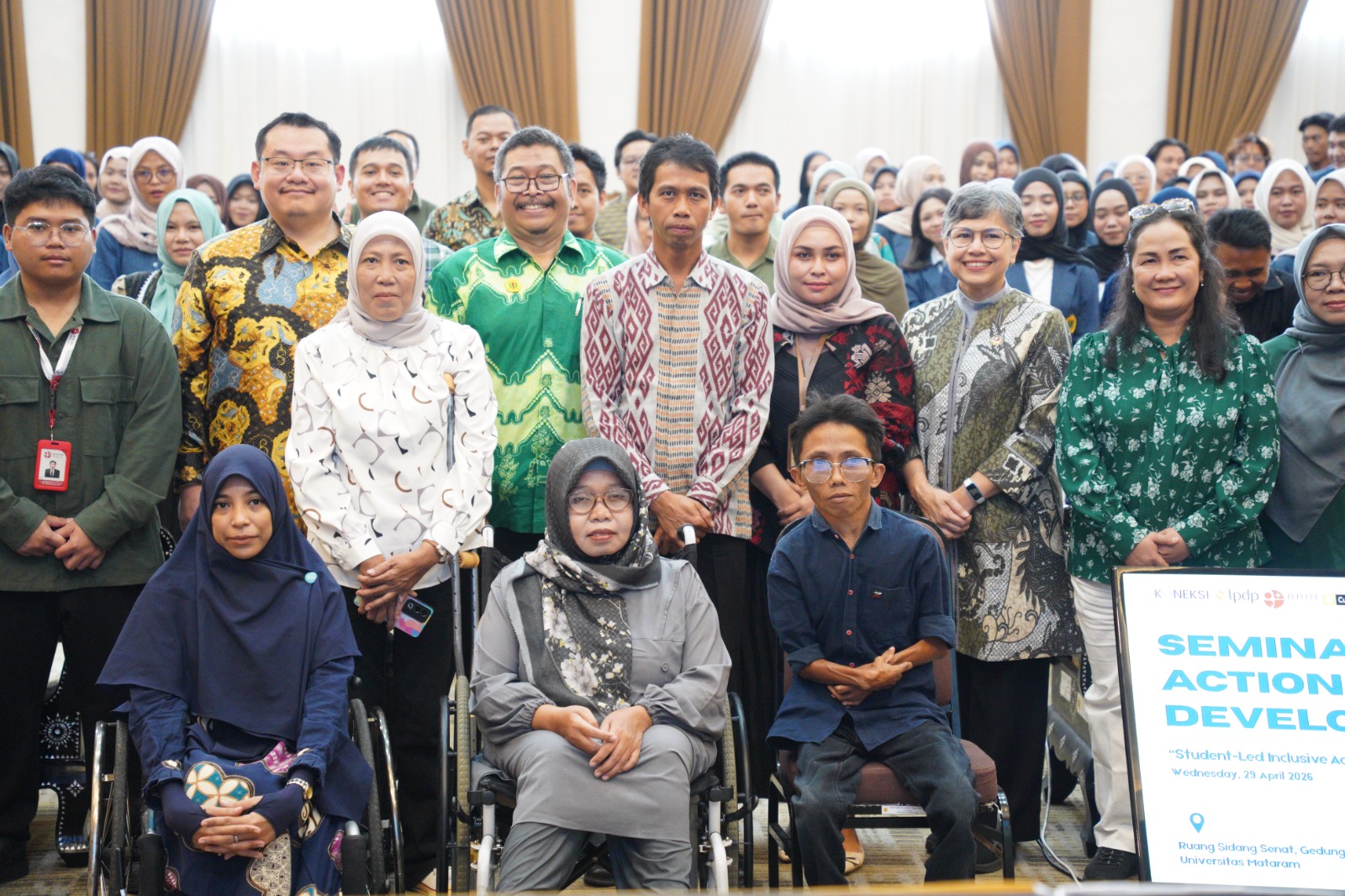
Mataram, University of Mataram — The Seminar on GEDSI (Gender Equality, Disability, and Social Inclusion) Action Framework Development was successfully held on Wednesday, April 29, 2026, at the Senate Meeting Room of the Rectorate, University of Mataram (Unram). The event was a collaborative initiative involving KONEKSI, LPDP, BRIN, Curtin University, Universitas Gadjah Mada, Universitas Brawijaya, and Unram.
The seminar, themed “Student-Led Inclusive Action for Blue Circular Economy,” was officially opened by the Rector of Unram, Prof. Dr. Sukardi, M.Pd. In his remarks, he expressed appreciation for the collaboration among various institutions in advancing gender equality, disability inclusion, and social inclusion through innovation based on local potential.
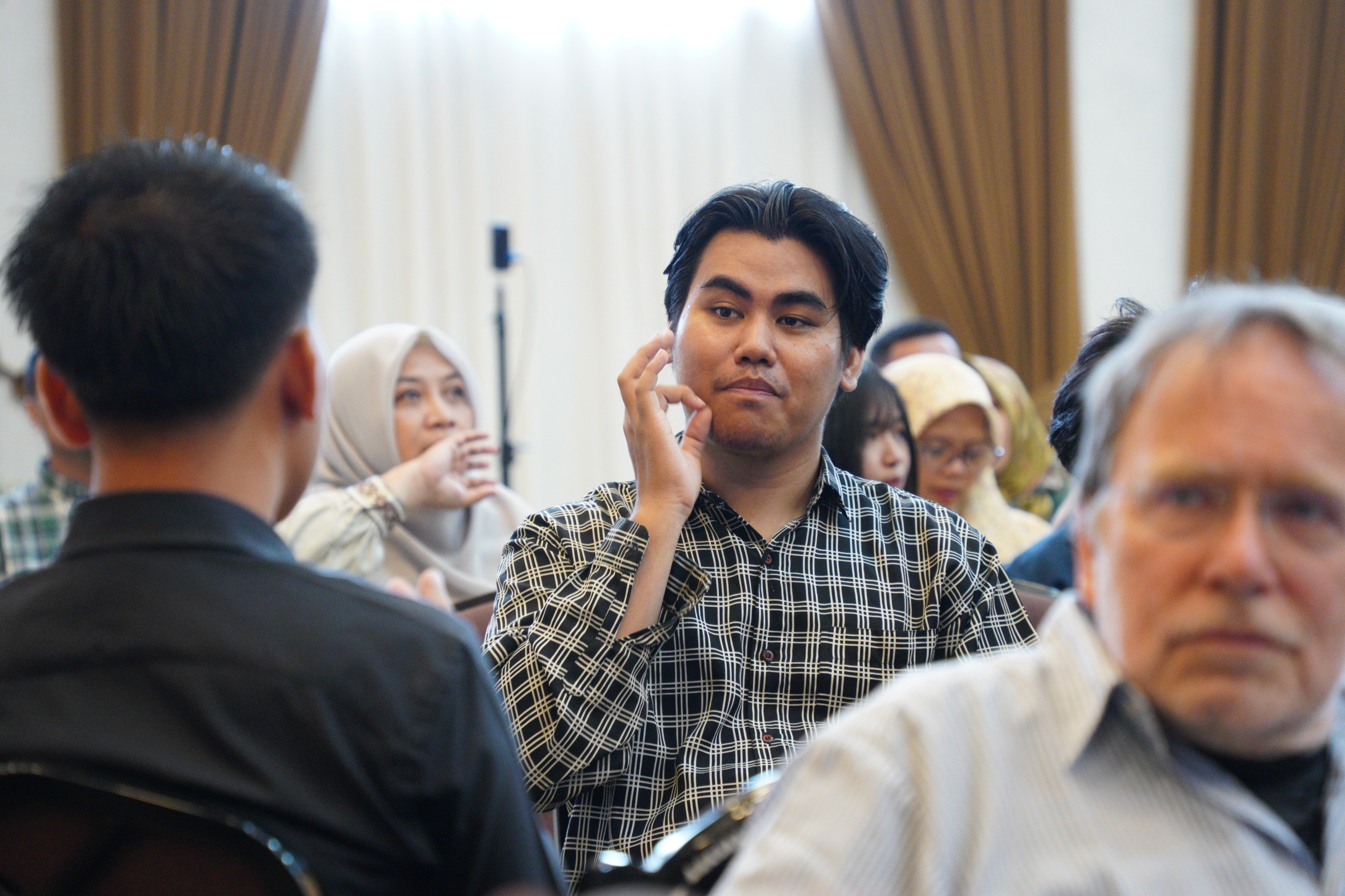
The Rector emphasized that the workshop addressed the strategic issue of women’s empowerment through shrimp shell processing within the framework of GEDSI and the blue circular economy. According to him, this initiative represents a concrete transformation by converting what has long been regarded as waste into a new source of economic value for coastal communities.
“This is the essence of the transformation we seek to promote together—from waste into opportunity, from limitations into strength, and from inequality toward sustainable equality,” said Prof. Sukardi.
He stressed that women, persons with disabilities, and other vulnerable groups hold strategic roles in the economic development of both families and communities. When these groups are provided with access to knowledge, skills, and entrepreneurial opportunities, the positive impact can extend broadly, even to future generations.
Furthermore, Prof. Sukardi noted that the GEDSI approach requires every program, policy, and innovation to ensure that no group is left behind.
“Vulnerable groups must be positioned as active subjects of development, not merely as objects. Universities have a significant responsibility to ensure that research and innovation do not remain confined to academic spaces, but truly deliver tangible benefits to society,” he asserted.
On this occasion, the Rector also highlighted the important role of universities as catalysts for change through technological assistance in shrimp shell processing, entrepreneurship training based on processed products, strengthening market networks, and fostering research collaboration across national and international institutions.
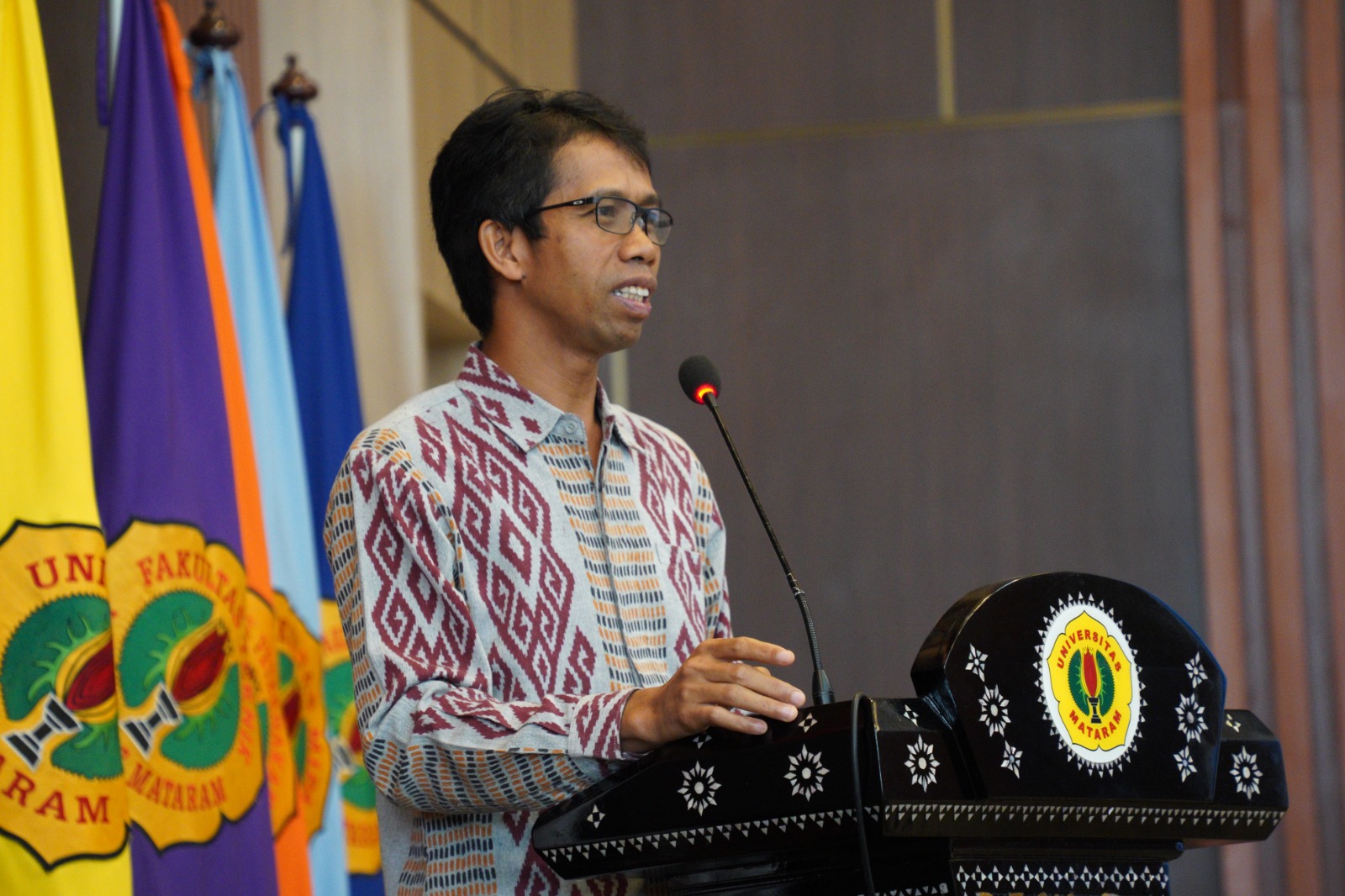
He also expressed appreciation to Curtin University and all international partners involved in the event.
“We highly value this collaboration and hope that the partnership will continue to empower coastal communities through inclusive and sustainable solutions,” he stated.
In addition, the involvement of students as key drivers of GEDSI-based initiatives was recognized as an important step in creating meaningful action with broad impact. Through collaborative efforts among universities, research institutions, government agencies, and international partners, innovative solutions are expected to emerge to foster economic self-reliance based on local resources.
Concluding his remarks, Prof. Sukardi expressed hope that the seminar would serve as a concrete step toward creating more inclusive social justice while promoting the economic empowerment of coastal communities.
“May the shrimp shells that have long been overlooked give rise to great ideas, independent enterprises, and resilient women who will drive change toward an inclusive, equitable, and sustainable future,” he concluded.
The seminar marked an important milestone in strengthening cross-institutional synergy to develop inclusive and sustainable community empowerment models, while reaffirming Unram’s commitment to supporting coastal development through impactful research and innovation.