
Unram Pharmacy Study Program Prepares Competitive Graduates Through Research, Infrastructure Optimization, and Industry Collaboration
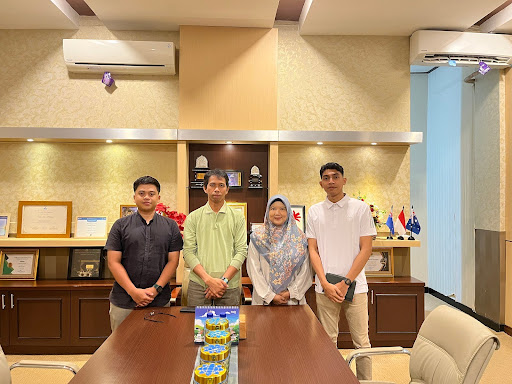
Mataram, University of Mataram — The Pharmacy Study Program of the University of Mataram (Farmasi Unram) held an official meeting with the Rector of the University of Mataram, Prof. Dr. Sukardi, M.Pd., at the Rector’s Office. The meeting served as a strategic forum to discuss the strengthening of educational infrastructure, readiness for the upcoming national pharmacist professional examination, and opportunities for collaboration with industry partners. Present at the meeting were the Coordinator of the Pharmacist Professional Education Program, Dr. apt. Siti Rahmatul Aini, S.F., M.Sc., along with academic staff.
The Coordinator of the Pharmacist Professional Education Program at Unram, Dr. apt. Siti Rahmatul Aini, S.F., M.Sc., outlined several critical needs, including computer support for the national pharmacist professional examination, the requirement of three local administrators to operate the examination rooms, and plans for constructing an animal handling facility. She further proposed the procurement of a human anatomy simulation tool, currently owned by only two universities in Indonesia, with strong potential to be commercialized as a flagship learning resource.
The discussion also emphasized the importance of internship opportunities in the pharmaceutical industry for pharmacy graduates, following practices adopted by leading international universities. At present, Unram has signed MOAs with PT Sidomuncul, PT Meiji, and Kimia Farma, which can accommodate 4–5 pharmacy students. Potential partnerships with Lombok Inti Karya Anugerah and PT Nodim were also explored to expand collaboration and strengthen industry linkages.
The Rector of Unram, Prof. Dr. Sukardi, M.Pd., provided strategic guidance and emphasized the importance of maximizing existing resources, including 40 computer units in the fisheries laboratory as well as devices in Pustik and other laboratories that can be adjusted to meet examination specifications.
Furthermore, Prof. Sukardi explained that Unram is preparing an Industrial Project Based Education (IPBE) scheme as a model of industry‑oriented project learning. This scheme is expected to enhance graduate competitiveness by offering practical experiences directly relevant to workforce needs. He encouraged the Pharmacy Study Program to actively build communication with industry partners, expand collaboration networks, and establish MOUs that would allow students to participate in internship programs with credit conversion.
Prof. Sukardi reaffirmed Unram’s commitment to strengthening academic support facilities. The planned renovation of the university library will be directed toward creating a modern and inclusive learning space, complete with a coffee shop, mart, discussion rooms, and an online bookstore offering student‑friendly prices.
This visit marked an important momentum for Unram to reinforce its academic ecosystem while opening avenues for collaboration with industry. The discussions highlighted new directions in facility development, internship opportunities, and innovative learning models relevant to contemporary needs. With concrete steps already in motion, Unram positions itself as an adaptive and visionary university, ready to produce professional pharmacists who are competitive at both national and international levels.