
Reviving Cultural Heritage Through Student Projects: West Nusa Tenggara Traditional Games Reintroduced in Lombok Island Elementary Schools
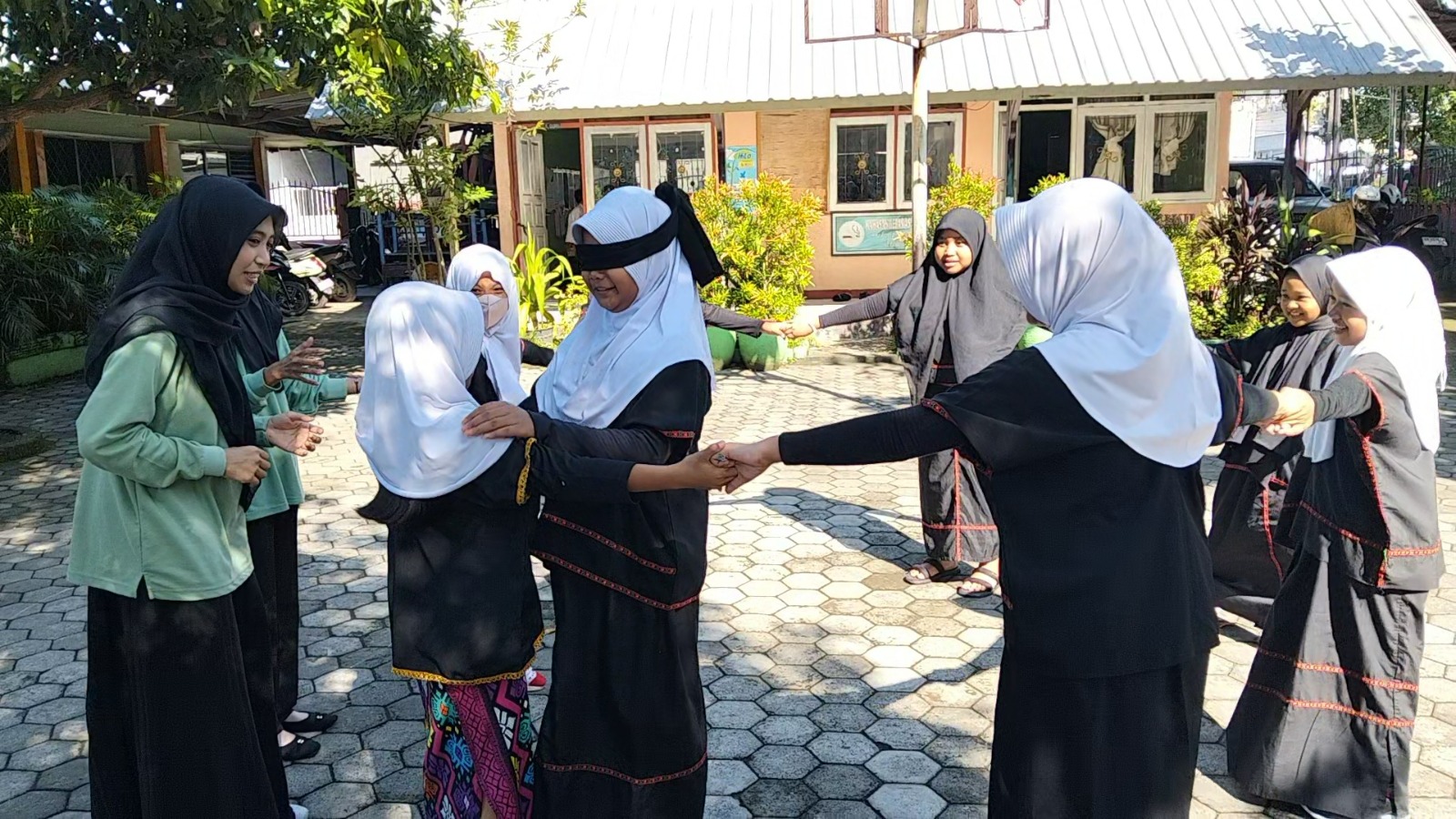
Mataram, University of Mataram – In order to preserve local heritage while enriching the learning experience of elementary school children, students of the Elementary School Education (PGSD) study program at the University of Mataram carried out a project to foster West Nusa Tenggara traditional games for three consecutive weeks in May 2025. This activity was carried out through an innovative Project Based Learning (PjBL) approach and involved a number of elementary schools in various regions of Lombok Island.
This activity is part of the Elementary School Play and Games course, directed by Dr. Prayogi Dwina Angga, S.Or., M.Pd. In this project, students are challenged to identify, revive, and repackage Lombok and Sumbawa traditional games through attractive pop-up book media and educational demonstration videos.
“Through this project-based approach, students not only learn about local culture, but also play an active role in reintroducing it back to the younger generation. This is a real form of contextual education that is grounded and directly touches the community,” said Dr. Prayogi.
Each group of students explored traditional games that have strong educational and cultural values – not common games like cricket or hide-and-seek, but forgotten local games. They designed interactive books and video guides that illustrate the way games are played, their educational values, and strategies for integrating games into learning in elementary schools.
This activity received a warm welcome from teachers and students at the partner school. The children enthusiastically participated in the game demonstrations, while the teachers stated that this approach provides a fun and educational alternative to learning.
“This project not only develops students’ creativity, but also becomes a real contribution to cultural preservation and strengthening children’s character through games,” added Dr. Prayogi.
With collaboration across elementary schools and the high enthusiasm of PGSD students, this activity is expected to be a spark for a broader movement in reviving the richness of the archipelago’s traditional games, especially the indigenous traditional games of NTB in the primary education environment.