
Unram Conducts Meeting to Finalize the Academic Implementation Guidelines, Aims to Enhance Academic Standards and Faculty Preparedness
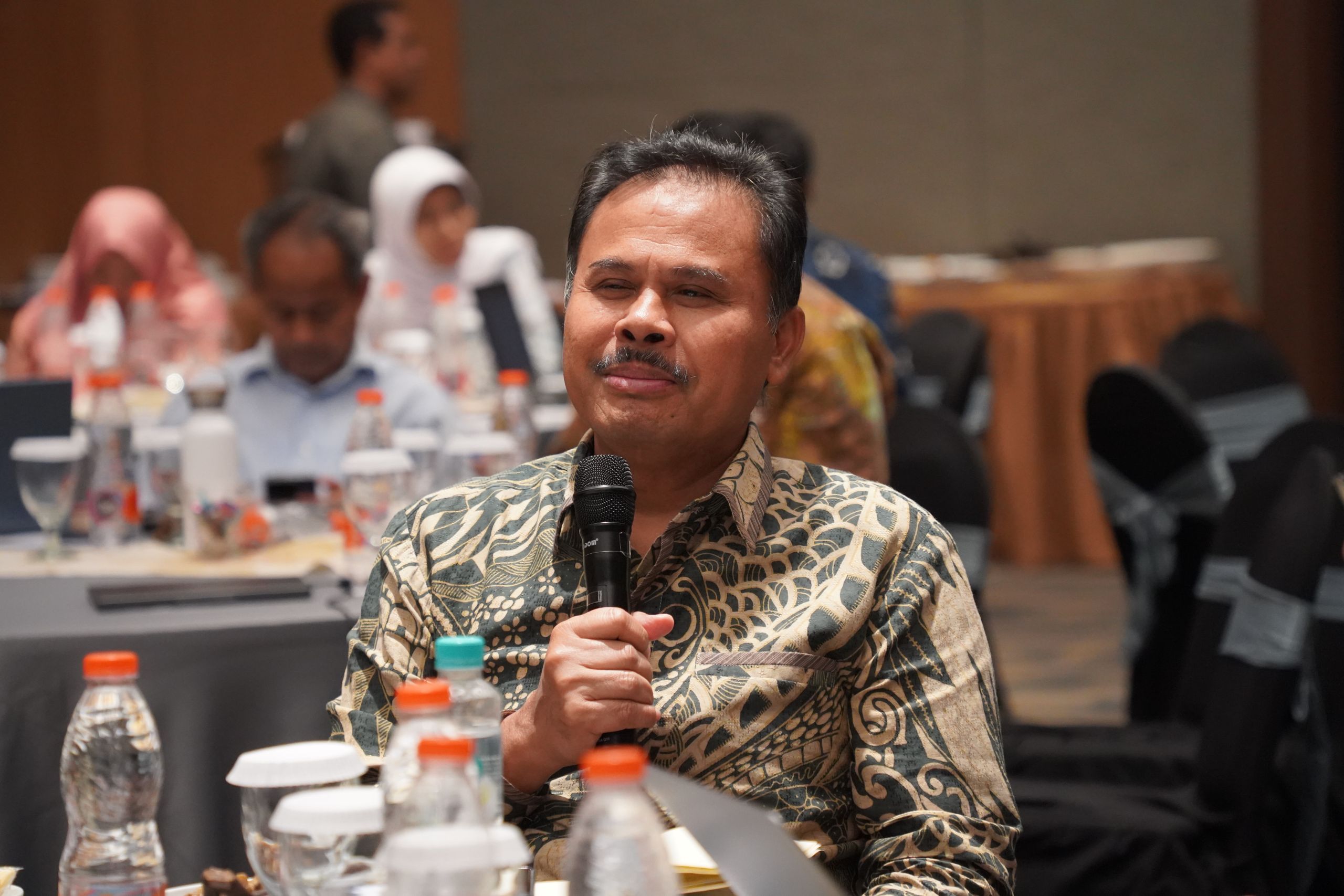
Mataram, University of Mataram – The University of Mataram (Unram) held a Meeting to Refine the Academic Implementation Guidelines as part of its efforts to strengthen academic governance across all levels. The event took place at Prime Park Hotel, Mataram, on Tuesday (July 15).
Unram’s Vice Rector for Academic Affairs, Prof. Dr. Sitti Hilyana, stated in her opening remarks that the drafting of this document has gone through several stages. The document serves as a primary reference in the implementation of academic activities at Unram and is developed in line with national regulations, particularly the Ministry of Education, Culture, Research, and Technology Regulation (Permendikbudristek) Number 53 of 2023.
“Input from various parties, both through online submissions and direct discussions, has been thoroughly accommodated in this final version of the document. In fact, several course adjustments such as MKW 1, MKW 2, and MKW 3 have now been included as part of the document,” she said.
Prof. Nana also emphasized the importance of strengthening context-based thematic curricula, including the proposed integration of island ecosystem materials from multiple academic perspectives such as economics, law, agriculture, and environmental science. She requested each faculty to assign a course coordinator to oversee the implementation of these subjects.
“Moving forward, all general compulsory courses will be centralized and managed by the MKWK coordination center under the Institute for Quality Assurance and Learning Development (LPMPP),” she added.
Meanwhile, the Head of LPMPP Unram, Dr. Ir. Sitti Latifah, M.For.Sc., also emphasized the importance of harmonizing the document’s content with the existing educational structure at Unram. She stated that the general provisions regarding types of education academic, vocational, and professional must be clearly explained and aligned with the official nomenclature.
“We are re-mapping the structure of academic program implementation, which includes diploma, bachelor’s, master’s, doctoral, and professional programs. There were inconsistencies in previous documents, particularly regarding the minimum GPA standards for admission to Master’s and Doctoral programs, which need to be re-aligned with current regulations,” she explained.
The Head of LPMPP Unram further emphasized the need for consistency between the academic guidelines, the Internal Quality Assurance System (SPMI), and the student admission handbook, as discrepancies were found in the minimum GPA requirements between official documents and postgraduate admission materials.
“We must ensure that these inconsistencies do not hinder accreditation processes or affect the quality of graduates. It is essential that we collectively agree on the correct standards that are applied consistently across all faculties,” she stressed.
Through this meeting, Unram reaffirmed its commitment to building an academic system that is structured, transparent, and responsive to the dynamics of national higher education. The refinement of this academic guideline document is expected to serve as a solid foundation for delivering high-quality education and positioning Unram as a globally competitive university.